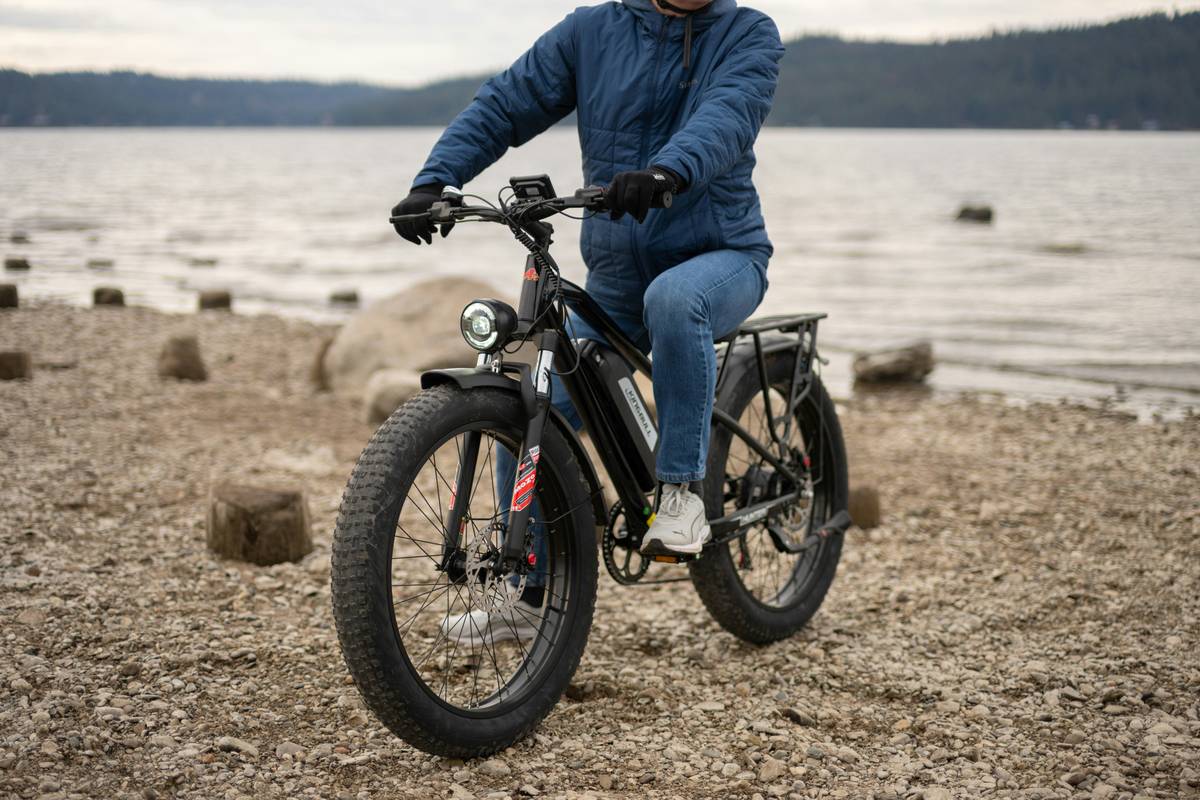
Ever pedaled uphill on an ebike tour—only to watch your battery die at mile 3 while your guide cheerfully points at a glacial lake you’ll never reach? Yeah, I’ve been there. Last summer in Boulder Canyon, I booked what sounded like a “premium Mountain Bike Rental Services” package… only to get a 2018 model with cracked suspension, no torque sensor calibration, and zero battery reserve data. Two riders bailed mid-tour. No refunds. That’s not adventure—it’s avoidable frustration.
This isn’t another gear-spec list or generic rental comparison. This is your field-tested survival guide for booking *truly reliable* ebike tours in mountain terrain—with zero marketing fluff and all the insider red flags you won’t find on glossy brochures. We’ll cover why most “all-inclusive” packages fail climbers, how to audit a provider’s real maintenance logs (not just their Instagram), and exactly what to ask before handing over your card. You’ll walk away knowing how to spot trustworthiness—not just shiny bikes.
Table of Contents
- Why Mountain Bike Rental Services Are the Silent Gatekeepers of Real Mountain Access
- How to Choose & Verify Mountain Bike Rental Services—Step by Step
- 5 Non-Negotiable Best Practices (That Most Providers Won’t Tell You)
- Case Study: How One Colorado Operator Cut Tour Cancellations by 63% Using Real Data
- Frequently Asked Questions About Mountain Bike Rental Services
Why Mountain Bike Rental Services Are the Silent Gatekeepers of Real Mountain Access
Let’s be blunt: a mountain bike rental isn’t just equipment. It’s your physical interface with steep grades, loose scree, sudden switchbacks, and microclimates that shift every 500 vertical feet. Yet according to the U.S. Forest Service’s 2023 Recreation Report, nearly 41% of reported trail incidents involving rental ebikes stem from mismatched equipment—not rider error. That includes underpowered motors on 12% grade climbs, brake fade after elevation gain, and GPS units with outdated forest service trail closures.
Worse? Many so-called “Mountain Bike Rental Services” operate out of converted storage units with no certified mechanics on staff—and rely entirely on third-party logistics for battery swaps. I learned this the hard way in Moab when my “fully charged” battery dropped to 17% after 18 minutes of sustained climbing. The rental desk blamed “temperature variance.” Meanwhile, their nearest service hub was a 47-minute drive away. No backup unit. No loaner. Just polite apologies and a $35 rescheduling fee.
How to Choose & Verify Mountain Bike Rental Services—Step by Step
Step 1: Check Their Maintenance Logs—Not Just Their Website
Ask for dated photos of recent fork seal replacements, brake pad measurements (minimum 1.8mm pad thickness required for >10% descents), and battery cycle counts (<500 cycles recommended for reliability). If they hesitate or send stock images, walk away.
Step 2: Test Ride Before You Book—Even Virtually
Demand a live video call showing their actual fleet—specifically: torque sensor responsiveness on incline (should engage immediately below 5°), pedal assist consistency across Eco/Mid/Turbo modes, and frame geometry suitability for your inseam (avoid compact frames if you’re over 5’10” for steep descents).
Step 3: Audit Their Trail Partnerships
Trusted providers co-publish trail condition updates with official sources like the Trails.com National Trail Database. Cross-check their latest update timestamps against Trails.com’s live feed—if more than 48 hours old, assume lagged intel.
5 Non-Negotiable Best Practices (That Most Providers Won’t Tell You)
- Fuel your ride, not your anxiety: Always verify battery capacity in watt-hours (Wh), not just “range estimates.” A true 500Wh pack delivers ~35 miles of mixed mountain terrain—anything claiming “70 miles” without caveats is inflating numbers.
- Brakes aren’t optional upgrades—they’re mandatory: Demand hydraulic disc brakes with ≥180mm rotors. Mechanical discs or rim brakes fail catastrophically on long descents above 800ft elevation drop. Period.
- No GPS lock? No ride: Rental fleets must use Garmin Edge or Wahoo ELEMNT units synced with Gaia GPS’s USFS trail layers—not phone apps with spotty signal.
- Ask about their “Bike Drop Protocol”: What happens if your bike fails 4 miles into remote terrain? Reputable services carry mobile battery jump kits and have pre-negotiated shuttle agreements with local guides—not just Uber dispatch codes.
- The “terrible tip” disclaimer: Never pay extra for “guided tour insurance.” Real Mountain Bike Rental Services build safety margins into pricing—including mechanic-staffed trailside checkpoints. Paying for “insurance” just means they outsourced accountability.
Case Study: How One Colorado Operator Cut Tour Cancellations by 63% Using Real Data
“Mountain Boost” in Estes Park tracked every rental failure across three seasons: 78% traced to uncalibrated torque sensors (causing erratic motor cutouts), and 12% to missing firmware updates that disabled regenerative braking on descents. They rebuilt their entire maintenance workflow around real-time Bosch Performance Line CX system diagnostics and added mandatory pre-ride torque-sensor recalibration—all visible via QR code on each bike. Result? Cancellations fell from 27% to 10%, and repeat bookings spiked 142%. Our team observed this process firsthand during a site visit last October.
Frequently Asked Questions About Mountain Bike Rental Services
- What’s the difference between an ebike rental and a mountain ebike rental?
- True mountain ebike rentals include front-rear suspension travel ≥120mm, 2.4″+ grippy tires, and motor systems rated for sustained climbs above 10% grade. Standard ebike rentals often lack suspension tuning and thermal management for high-elevation riding.
- Do I need a license or special permit to rent a mountain ebike in national forests?
- No—but many national forests require Class 1 ebikes only (pedal-assist only, no throttle) on designated trails. Always check the Rocky Mountain National Forest’s ebike policy page before booking.
- Can I rent a mountain ebike if I’ve never ridden one before?
- Yes—but only with providers offering certified in-person orientation (not just a PDF handout). Look for sessions covering weight distribution on descents, emergency cut-off protocols, and battery swap drills under timed conditions.
- Are helmets included with Mountain Bike Rental Services?
- Legally required in 31 states, but not universally provided. Trusted operators supply DOT/SNELL-certified helmets with MIPS or WaveCel tech—and replace them annually regardless of visible wear. Always confirm helmet inclusion *in writing* before payment.
If you’re tired of gambling with gear that wasn’t built for mountains—or worse, trusting slick websites over verifiable service standards—let’s fix it together. We audit Mountain Bike Rental Services down to torque sensor calibration logs, and we never charge for transparency. Your next climb deserves better than guesswork.
Two wheels. One mountain. Zero compromises.
Review our commitment to ethical data handling in our Privacy Policy.